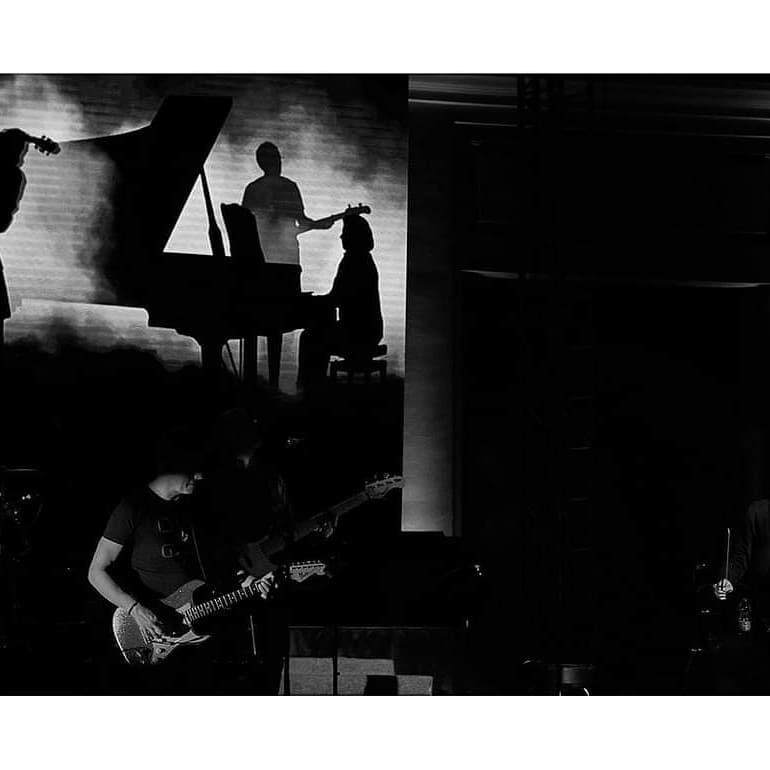
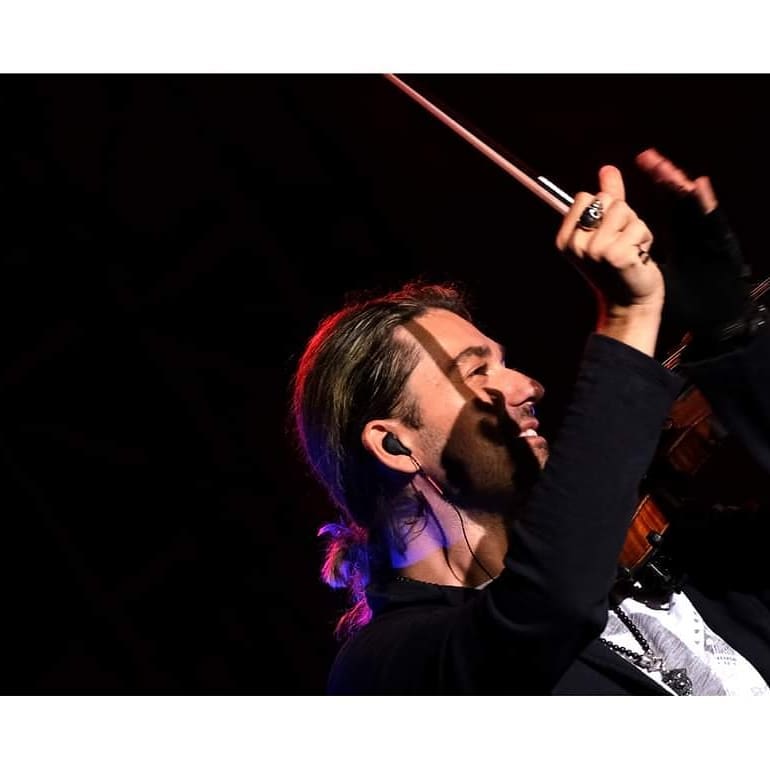
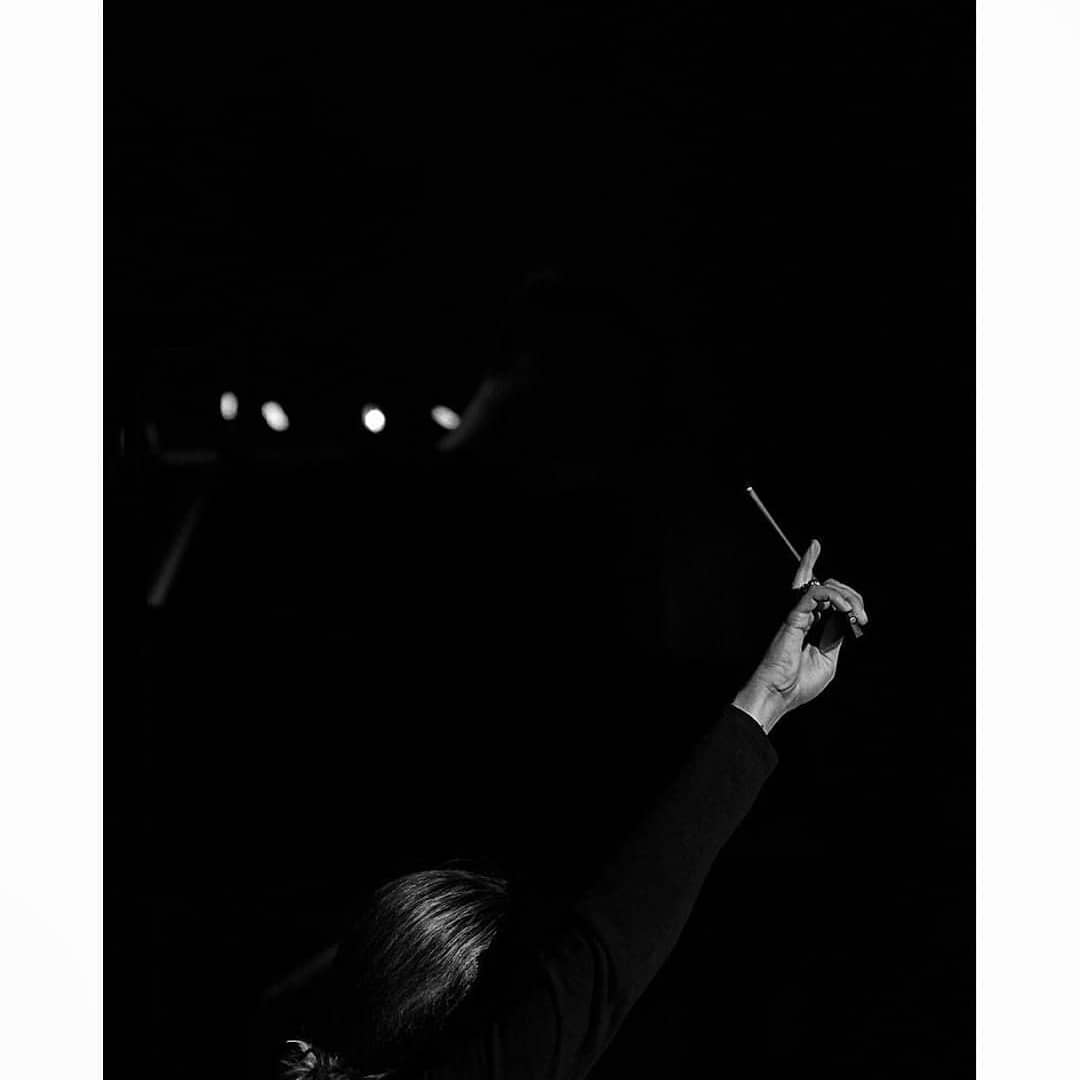
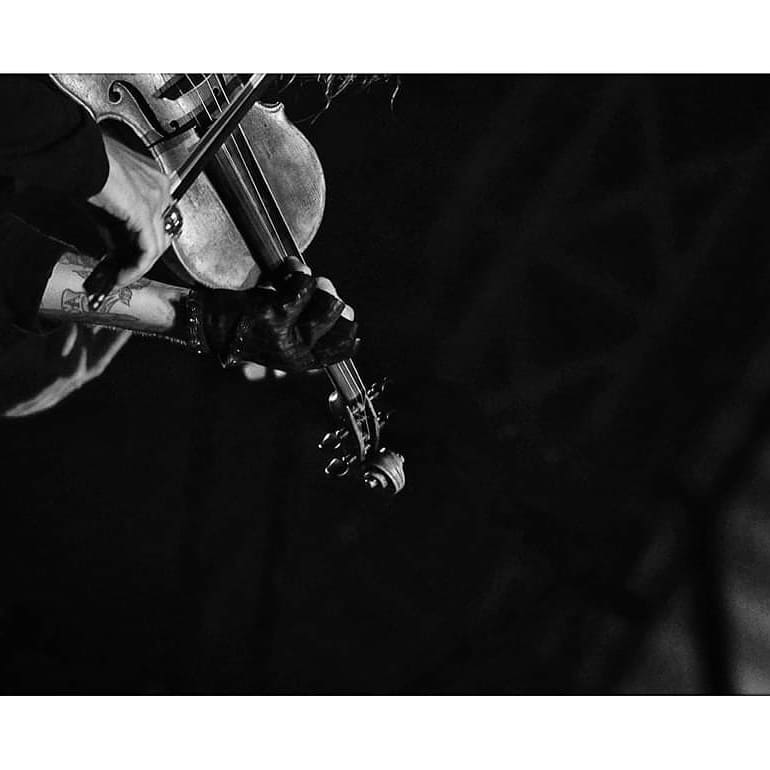
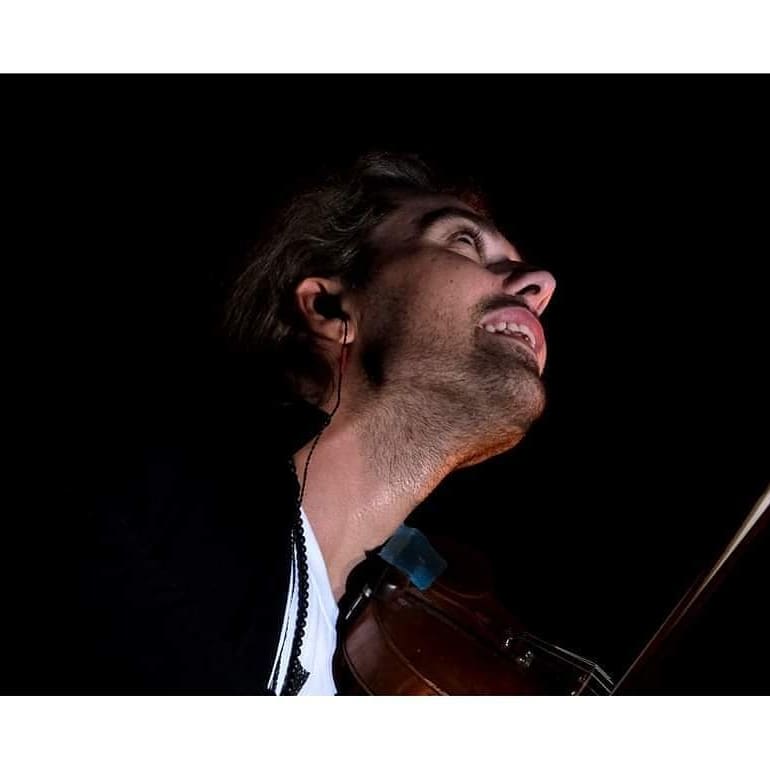
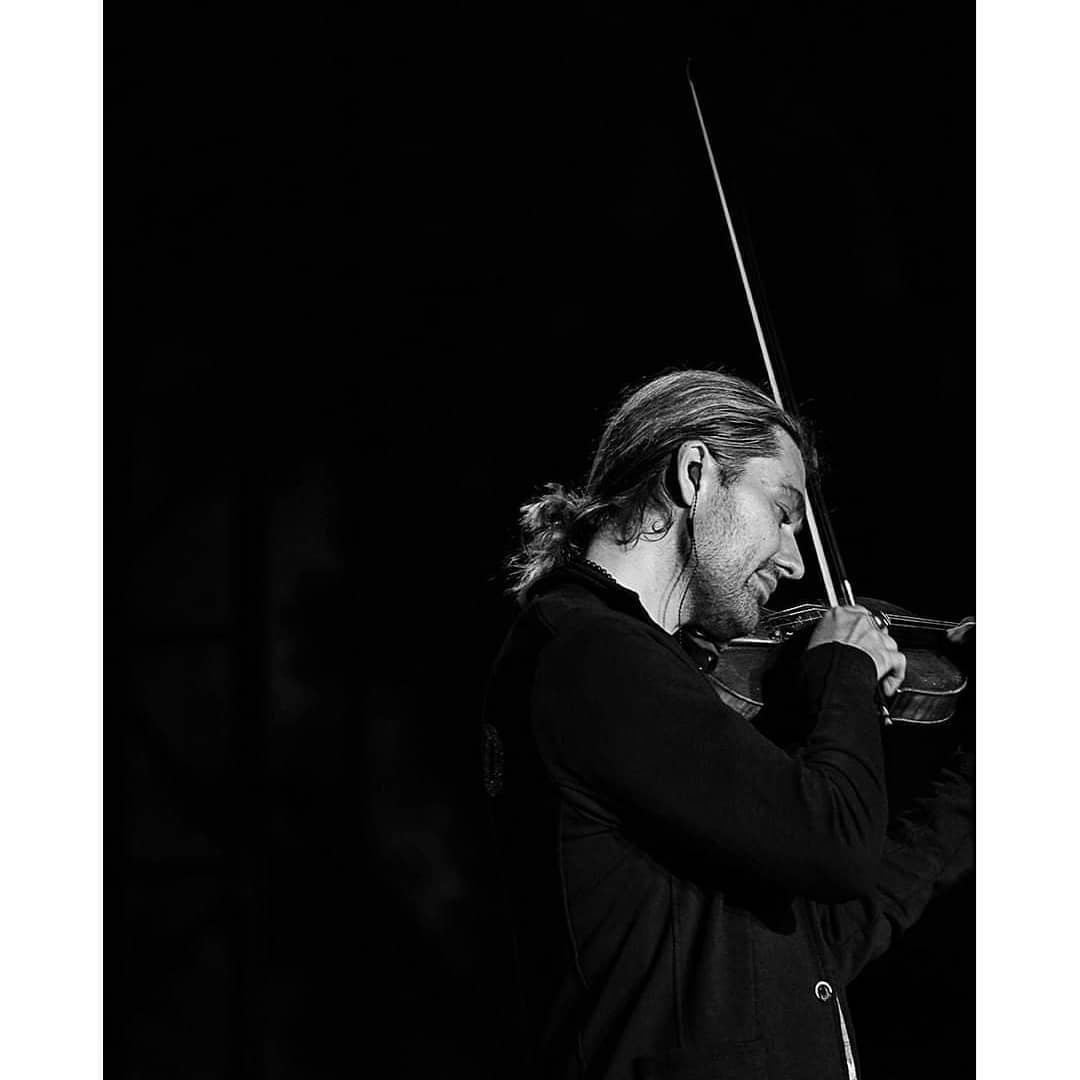
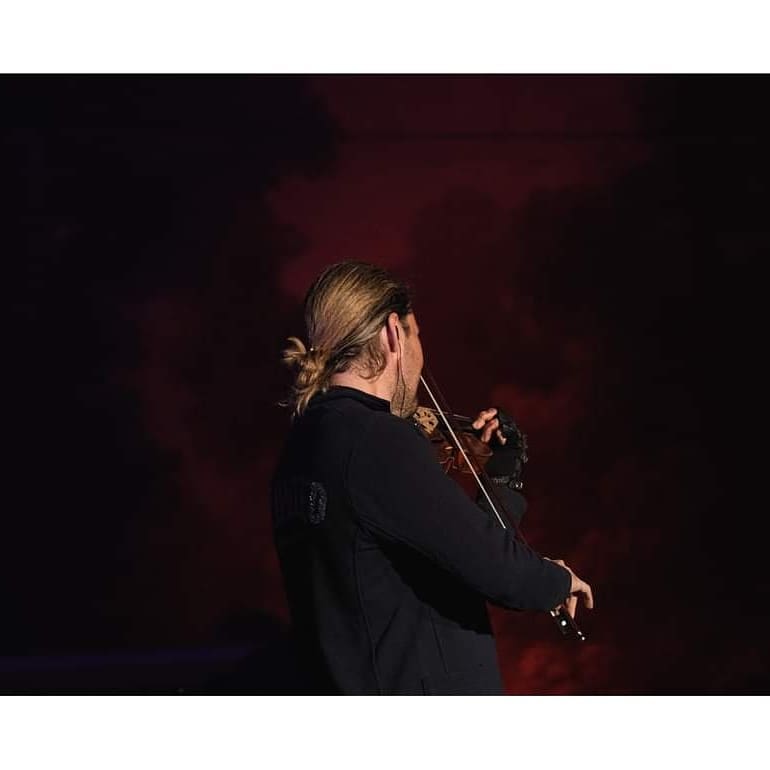
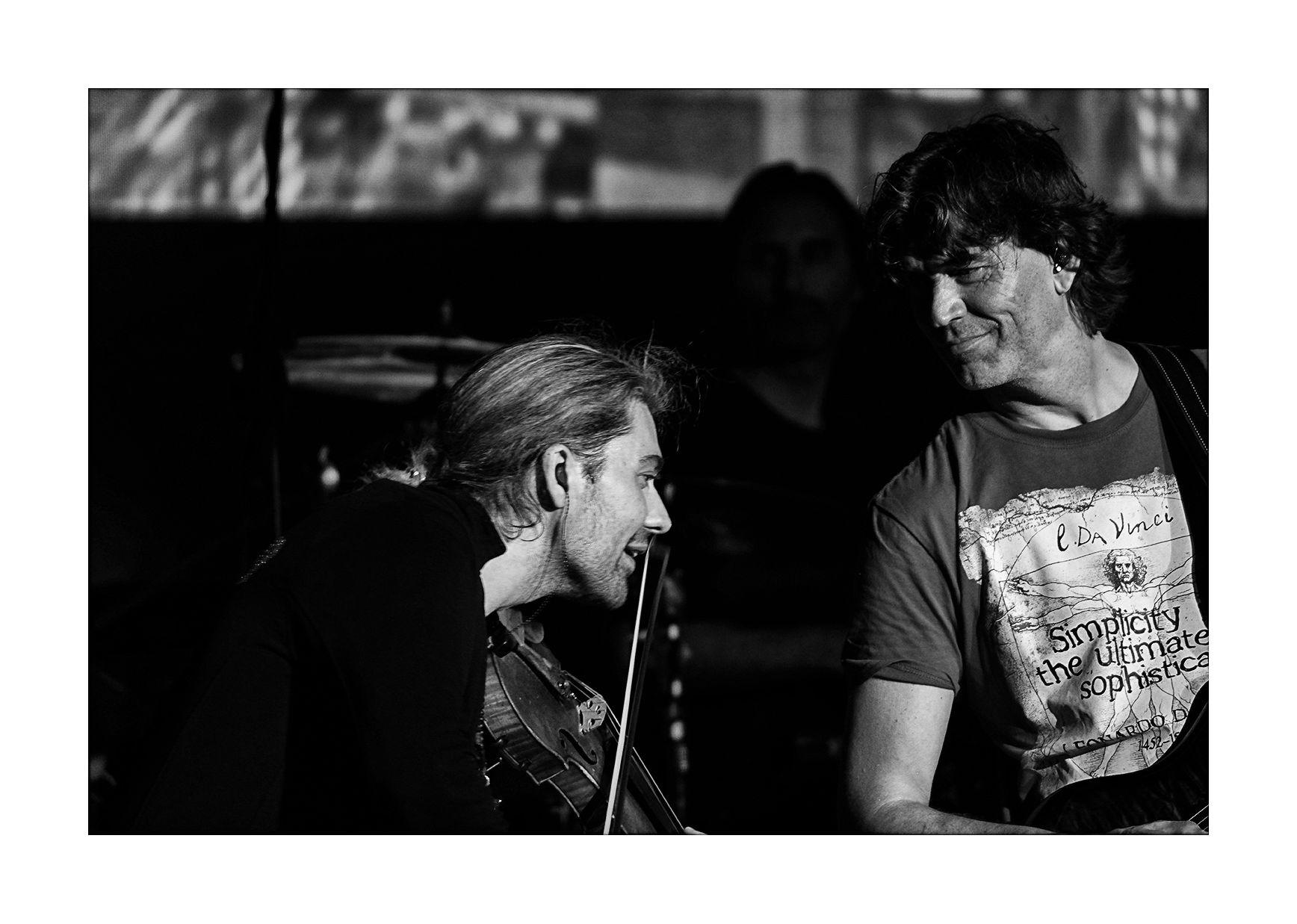
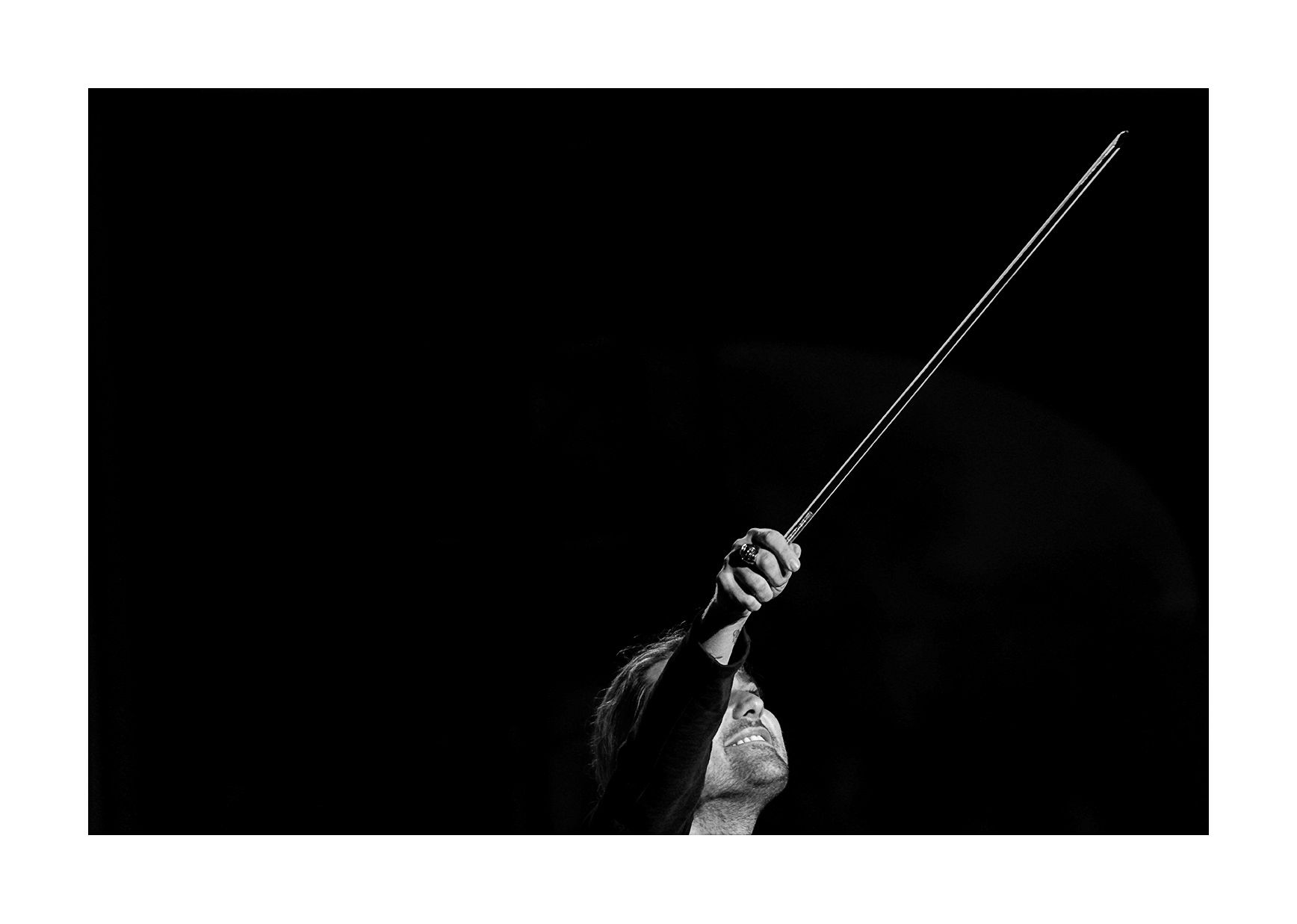
David Garrett at the Royal Palace
Some places seem to exist for the sole purpose of receiving music. Not as venues, but as accomplices.
The Royal Palace of Caserta, as evening falls, is one of them. Light fades slowly over the Baroque architecture, the warmth of the day lingers in the stone like a held breath, and the atmosphere shifts into something difficult to name — a threshold, perhaps, between the ordinary and something else entirely.
At the Aperia, the audience gathers in near-silence. There is that particular tension that only forms when people sense, before they can explain it, that something real is about to happen.
Then the violin enters. And the world shifts, just slightly, into a different shape.
David Garrett was on tour with Unlimited — Greatest Hits — Live, and that evening he brought with him the full weight and lightness of his repertoire: classical masterpieces reimagined with daring, rock rearrangements that surprise and move you, melodies that cross generations without losing anything of themselves. The sound was sharp and powerful, but it was the expressiveness that truly struck — that rare ability to make every note feel like a necessary choice, inevitable, the only note that could have been played.
In a setting like this, the music doesn't compete with the place. It inhabits it. And that is precisely why it reaches deeper — finding something intimate even in the middle of a crowd, turning collective listening into something surprisingly, unexpectedly personal.
This is the rarest quality of David Garrett — and of evenings like this one, the kind you carry with you for years: the ability to go beyond performance. Beyond technique, beyond spectacle, to touch something that has no precise name but is instantly recognizable, like a memory you didn't know you had.
When it was over, the silence that followed was not empty. It was full — of resonance, of gratitude, of that strange and tender sadness that beautiful things leave behind when they end.
Perhaps because, for a brief moment, everything found its place. And so did we, in the listening.