When the Stage Becomes Something More
There are performances that ask for silence and distance—moments to observe, to absorb, to admire from a place of stillness.
And then there are those that do the opposite.
Millennium Symphony belongs entirely to the second kind.
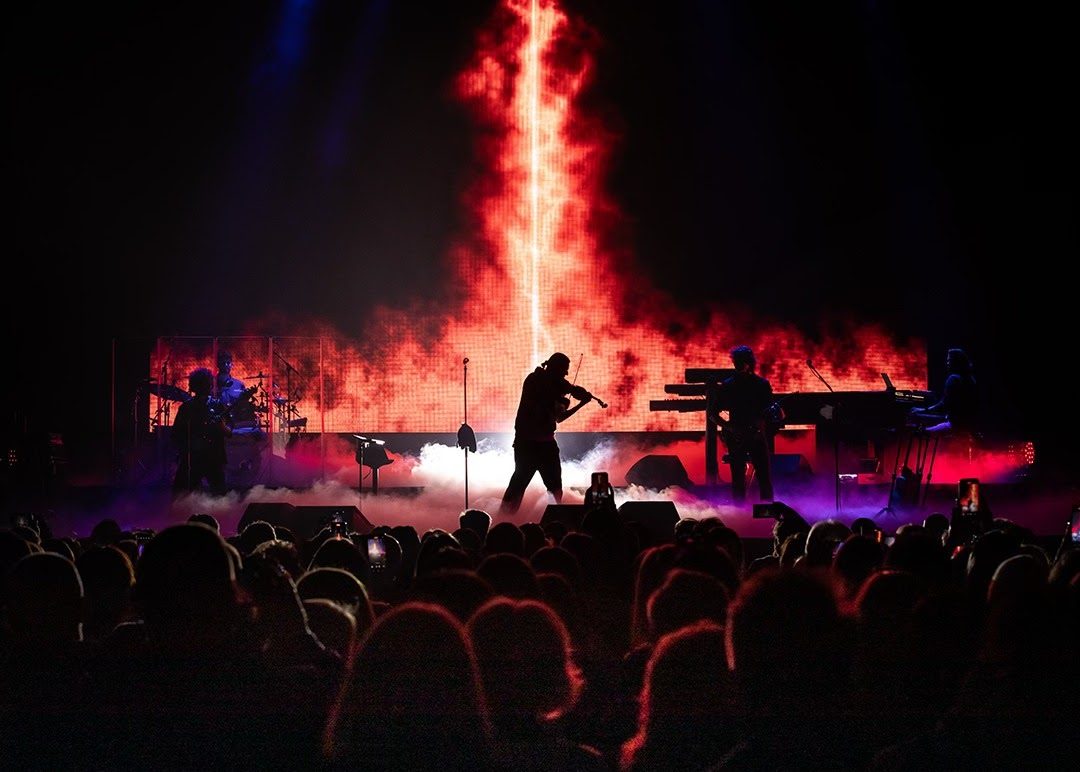
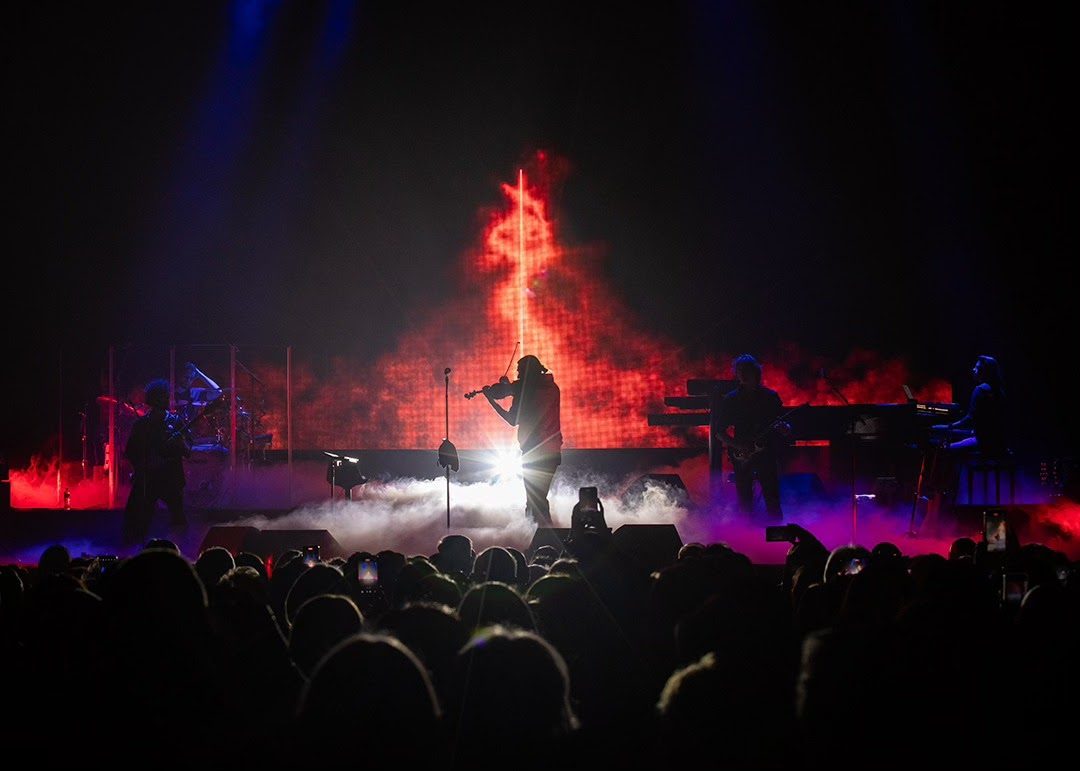
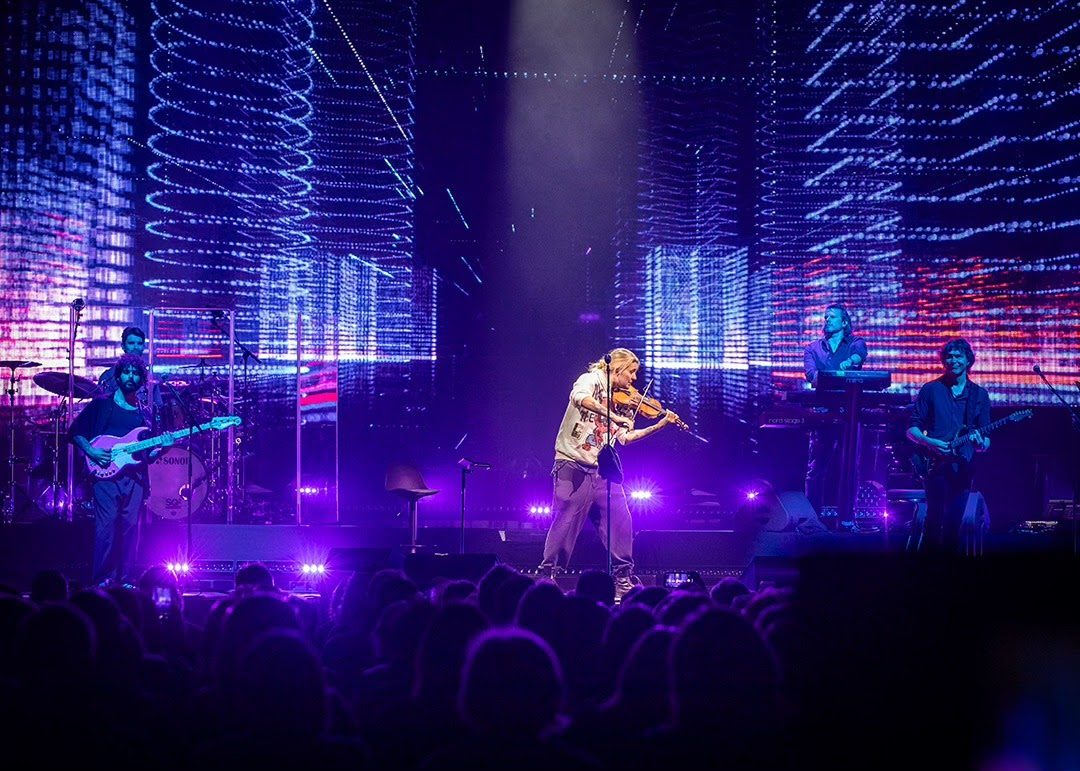
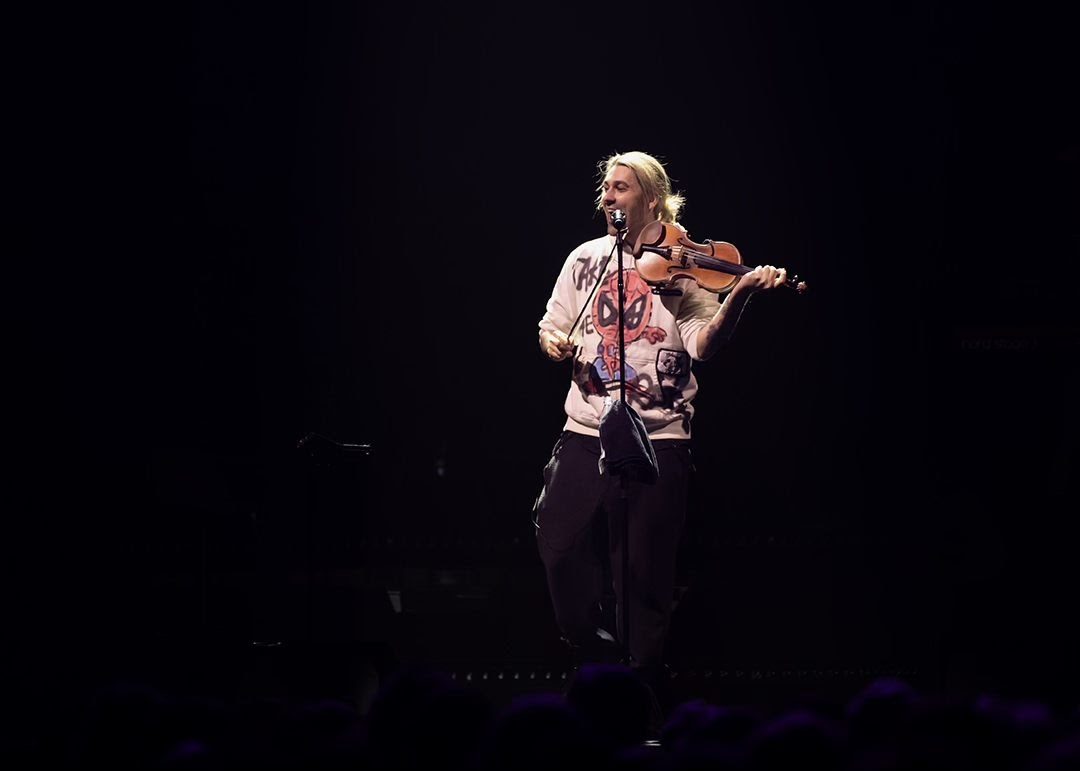
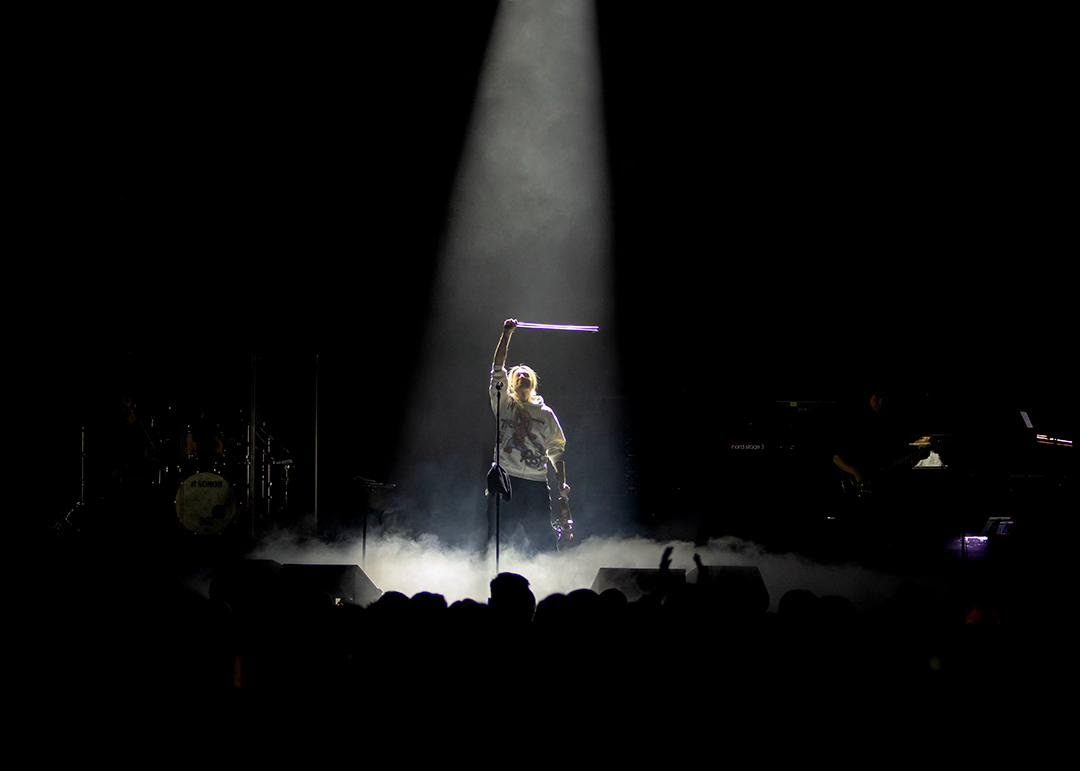
From the very beginning, it doesn't unfold so much as it arrives—fully formed, unapologetic in its energy, and impossible to contain within the traditional boundaries of a concert. What takes shape on stage is not simply a sequence of pieces, but a continuous, immersive flow where music, light, and movement become inseparable.
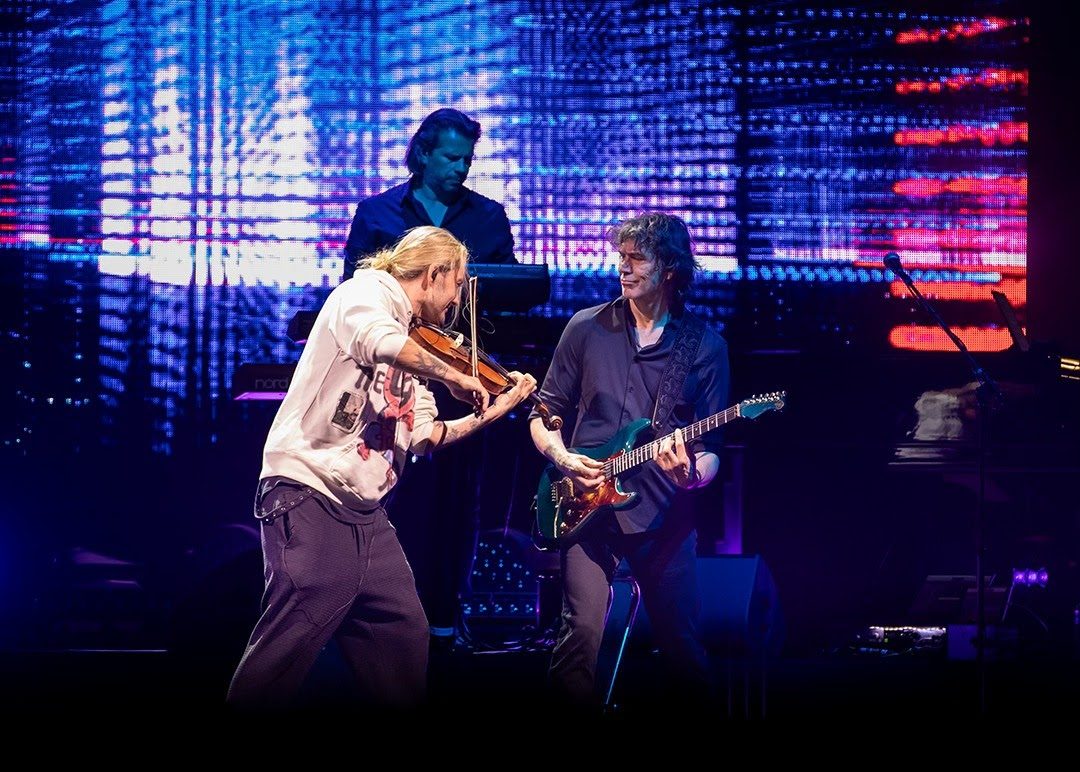
In this context, the approach of David Garrett reveals something particularly compelling. Even for those who don't instinctively gravitate toward crossover, this project feels less like a blending of genres and more like an expansion of them. It doesn't dilute classical structure—it stretches it, allowing it to exist in a different, more dynamic space.
The result is unmistakably a show, but not in any superficial sense. It is a deliberate embrace of scale: light cutting through darkness, movement that resists stillness, sound that fills the space completely rather than remaining confined to the stage. And yet, beneath this intensity, something essential remains intact.
Discipline. Precision. Control.
These are what allow the spectacle to exist without losing its center. Because for all its energy, Millennium Symphony never abandons musicianship—it amplifies it.
And perhaps that is why it lingers.
Once experienced, even briefly, it alters the way you anticipate what comes next. It creates a memory not only of what was seen and heard, but of how it felt to be carried by it—completely, and without resistance.
Until it returns, what remains are fragments: a passage that resurfaces unexpectedly, a visual that stays suspended in memory, a sensation that refuses to fade.
A reminder that some performances are not meant to end, but to continue—quietly—somewhere within us.
Wiola Janoschek