Talent Is a Seed. The Rest Is a Choice.
Not all talent gets discovered. Some never have the chance: life intervenes, circumstances suffocate it, or it is buried under fear, shame, or the simple need to survive. Other times, it is mistaken for something ordinary because it does not fit the usual definition of ‘gifted.’
Yet even when hidden or quiet, talent does not vanish — it waits. And the most beautiful thing is when someone finds it not because they chased it, but because they lived, stayed open, got curious… and accidentally bumped into it.
• • •
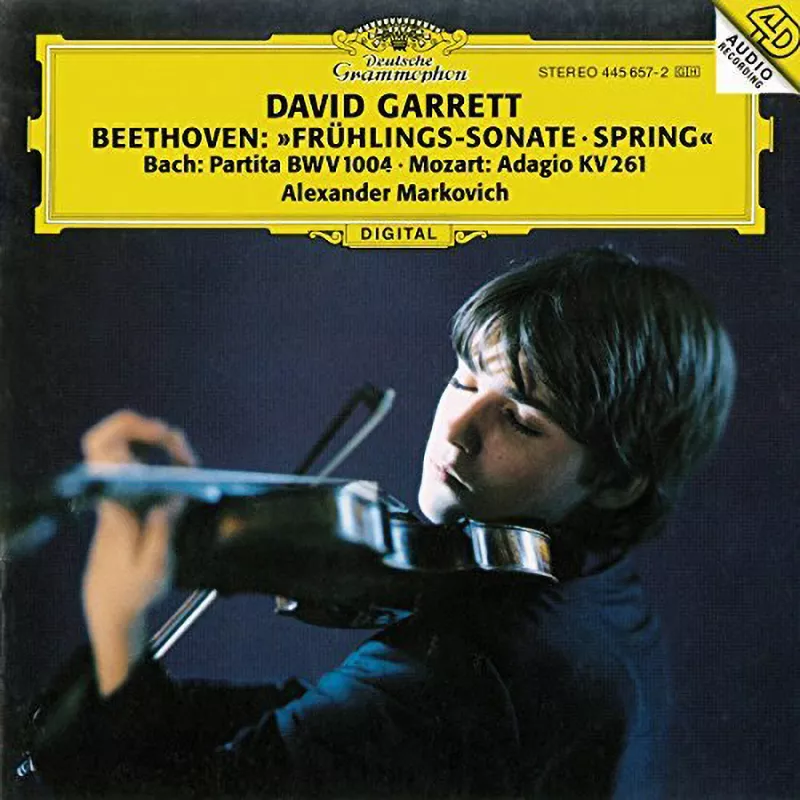
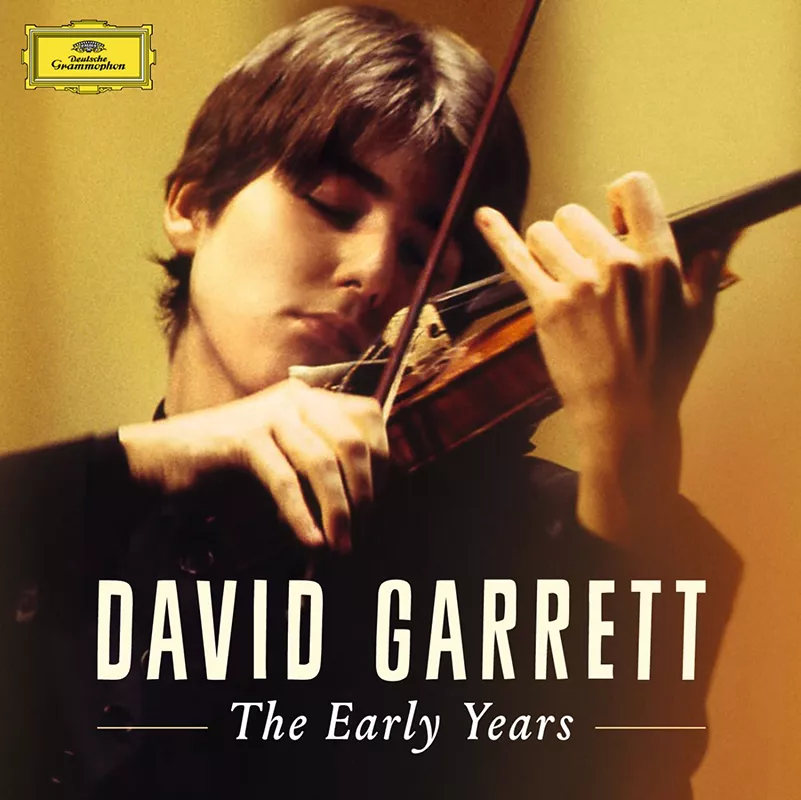
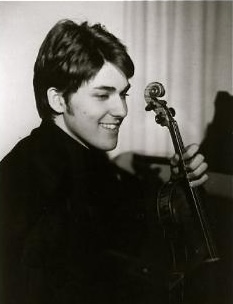
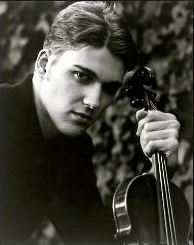
There is, however, another way the seed reveals itself. Sometimes it does not whisper. Sometimes it does not wait. Sometimes it walks into a four-year-old’s hand the first time he picks up a violin — and refuses, from that moment, to be quiet.
David was that case.
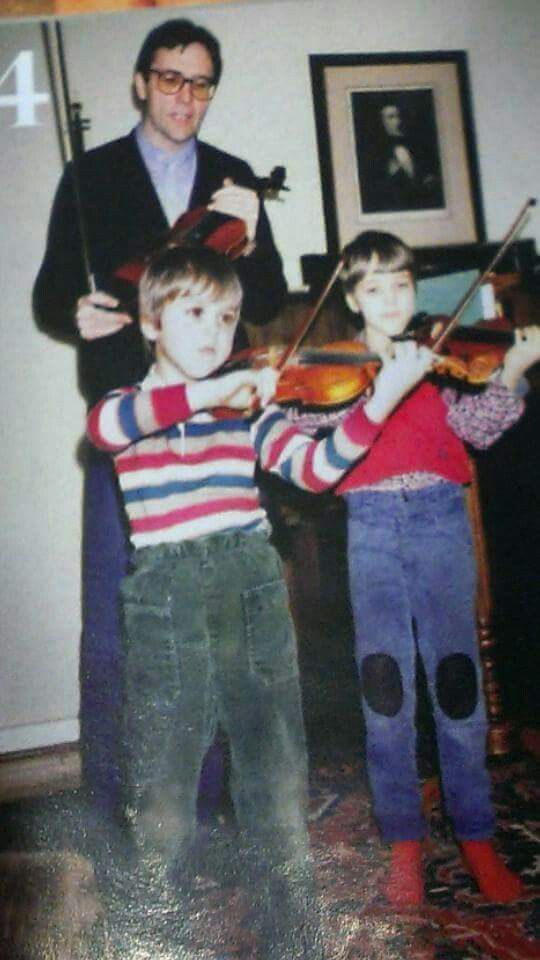
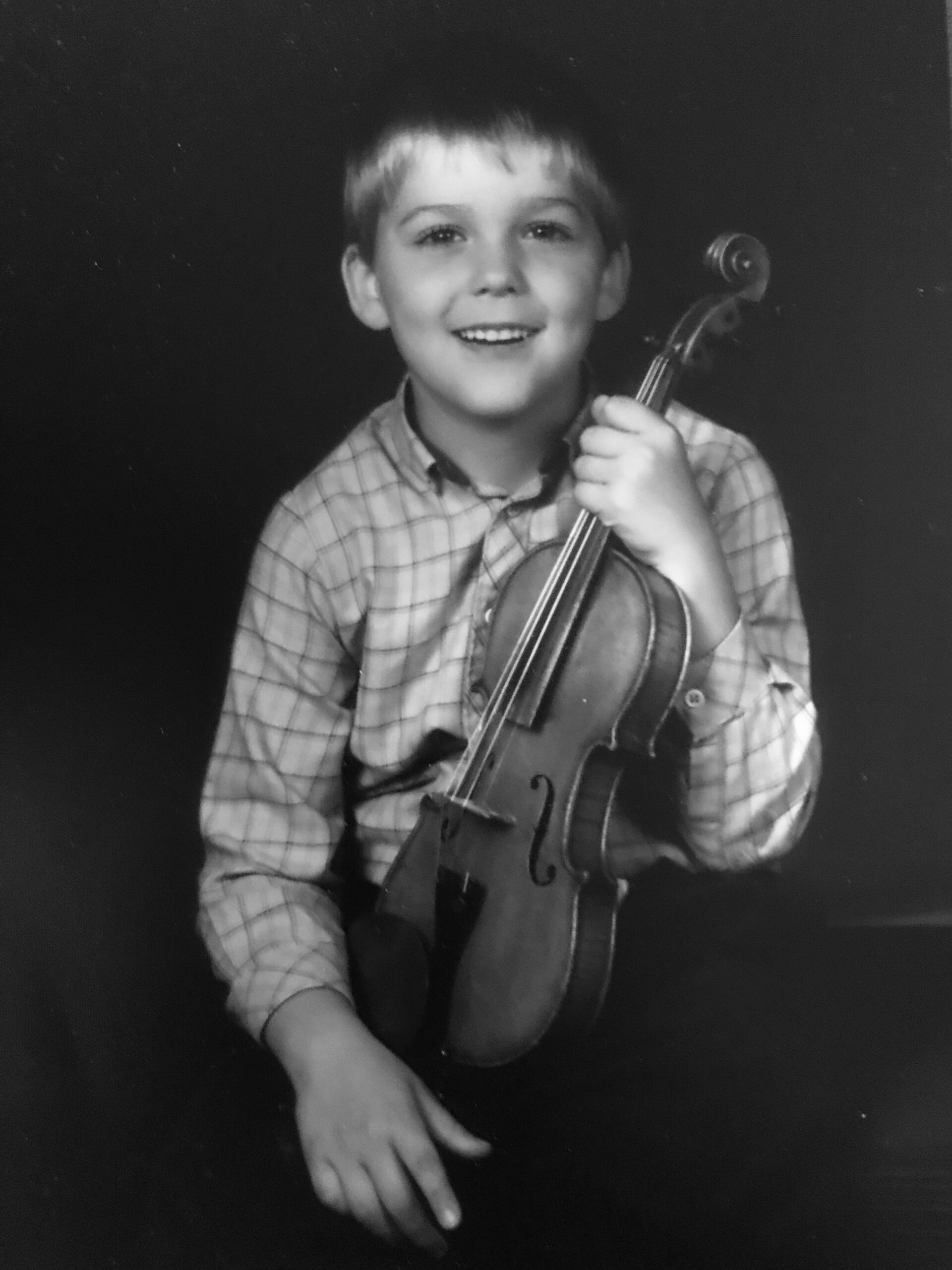
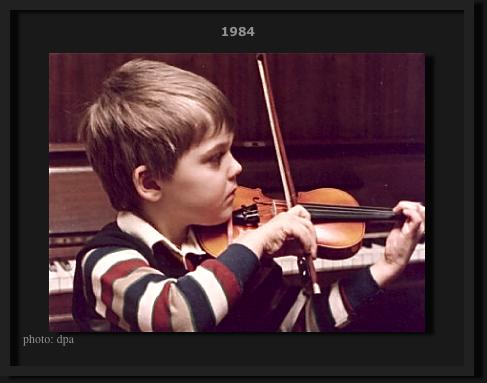
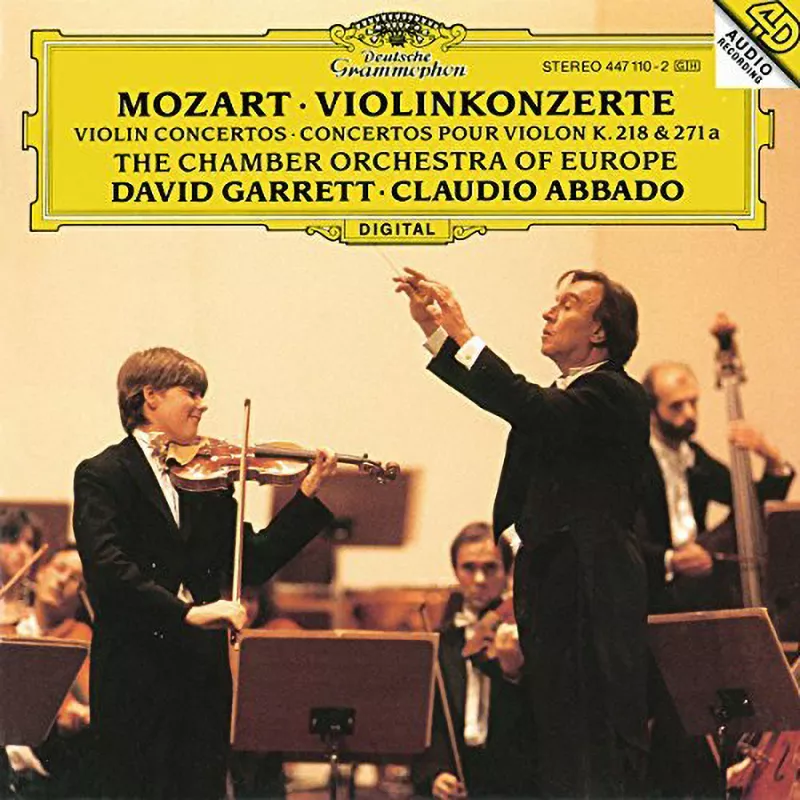
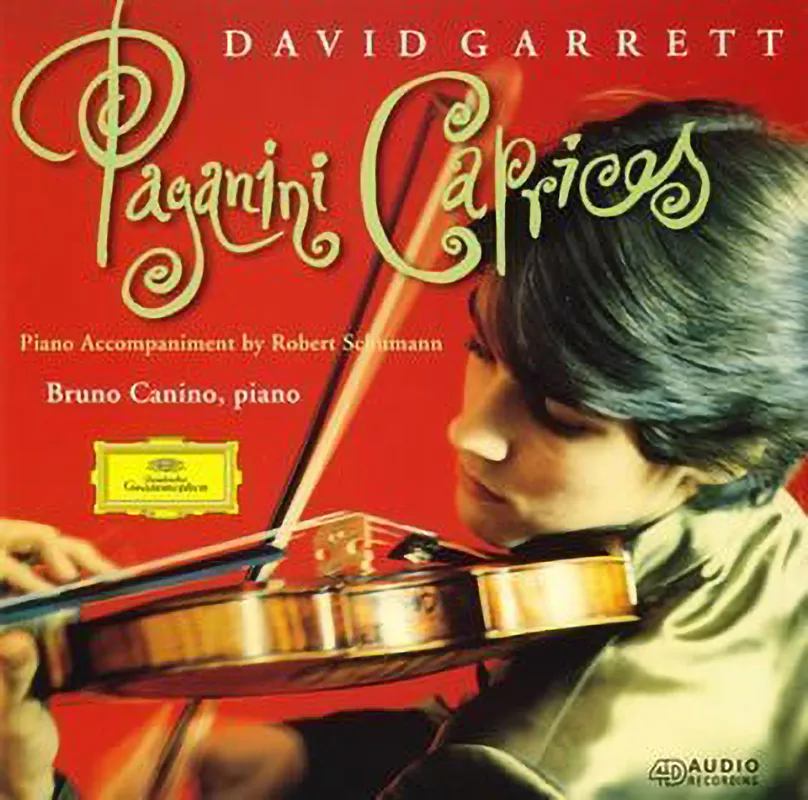
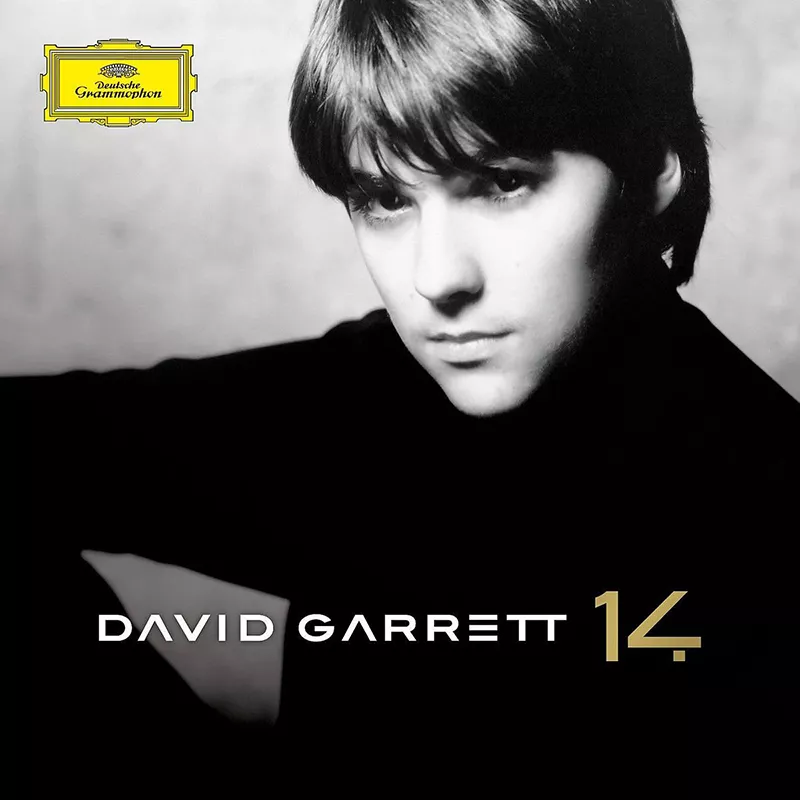
At ten he debuted with the Hamburger Philharmoniker. At thirteen he became the youngest artist ever to sign with Deutsche Grammophon. At fifteen he recorded all twenty-four Paganini Caprices — pieces written, in part, to make most violinists give up. Yehudi Menuhin called him ‘the greatest violinist of his generation.’
These are the numbers. They are easy to admire. They do not say what they cost.
David himself, in his autobiography, calls the years that followed ‘the straitjacket of his prodigy existence.’ His own biography describes a childhood ‘marked by discipline and daily work’ alongside his father — who was, in their words, ‘an ambitious motor and drive.’ Read that line twice. It is the polite phrasing for: while the other children played, you worked. While they were forgetting things, you were memorising. While they were becoming children, you were becoming a violinist.
This is what talent costs, before it ever pays.
And it pays in a strange currency. Talent done halfway eats the one who carries it. Talent done fully feeds them — but the meal is never finished, and the table never empties. The world that admires the result has no interest in the practice room. The applause, when it comes, is for what arrives on stage. Not for the years that did not.
There is also the matter of envy. People are happy for you in small portions and resentful of you in large ones. The bigger the gift, the smaller the audience that will allow you to enjoy it. Talent, when it succeeds, walks into rooms full of people who quietly wonder why it was not them. Some will say so out loud. Most will not. Both versions are the same weather.
And then there is the sentence in David’s own biography that is, in its quiet way, the most honest thing on the page: that he found, in his early twenties, ‘complete devotion to what could just as easily have destroyed him as a person — music.’
Read that sentence again. Could just as easily have destroyed him. Talent, in itself, is not kind. It is a force. Channelled, it becomes a life. Mishandled, it becomes a wreckage. The difference between the two is not the size of the gift. It is what you do with it — and at what cost you decide to do it.
• • •
Which brings us to the part that is, in the end, the only part that matters.
Talent is by nature. Pursuit is a choice.
The seed is given. The water, the soil, the years — all of that is chosen. Every morning, by someone. Some days more willingly than others. Some years almost reluctantly. But chosen. The choice is not made once at four years old; it is made again at fourteen, when the friends are at the beach. Again at twenty, when New York seems too far and too late. Again at thirty, when the body has begun to ask questions the schedule does not have time for. The choice is not a moment. It is a habit.
And this is the part where the story turns kind again.
Because if pursuit is a choice, then it can be made at any age. Talent does not expire. It waits patiently for the moment you are ready to recognise it, claim it, and let it change your life. It does not care that you are forty, or sixty, or returning to it after a long silence. It does not care that someone else got there first. It cares only that, when you finally arrive, you arrive fully.
If you have it — whatever ‘it’ is, in whatever scale — you do not owe the world its use. The seed is yours. You can carry it quietly to the end of your life, and that too is a complete answer.
But if you choose it, choose it. Not halfway. Not on weekends. Not as the part of yourself you let out only when nobody is watching. At your very best. At any cost. Because the talent done halfway will eat you. And the talent done fully — even when it asks for everything — will give you back a life that was, by your own hand, made.

There is a line we wrote once before about talent that we want to keep here, too, because it is the only ending we believe in:
— The Strings Society Editorial Team