The Lavender and the Happiest Man
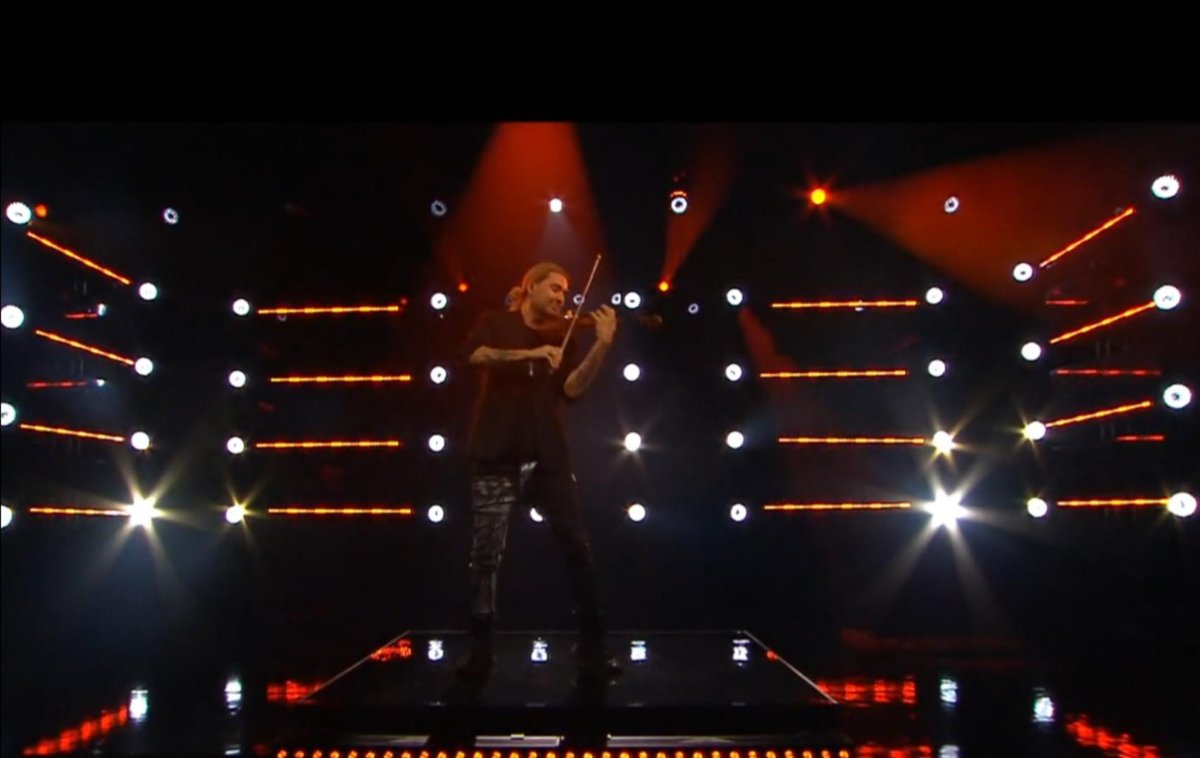
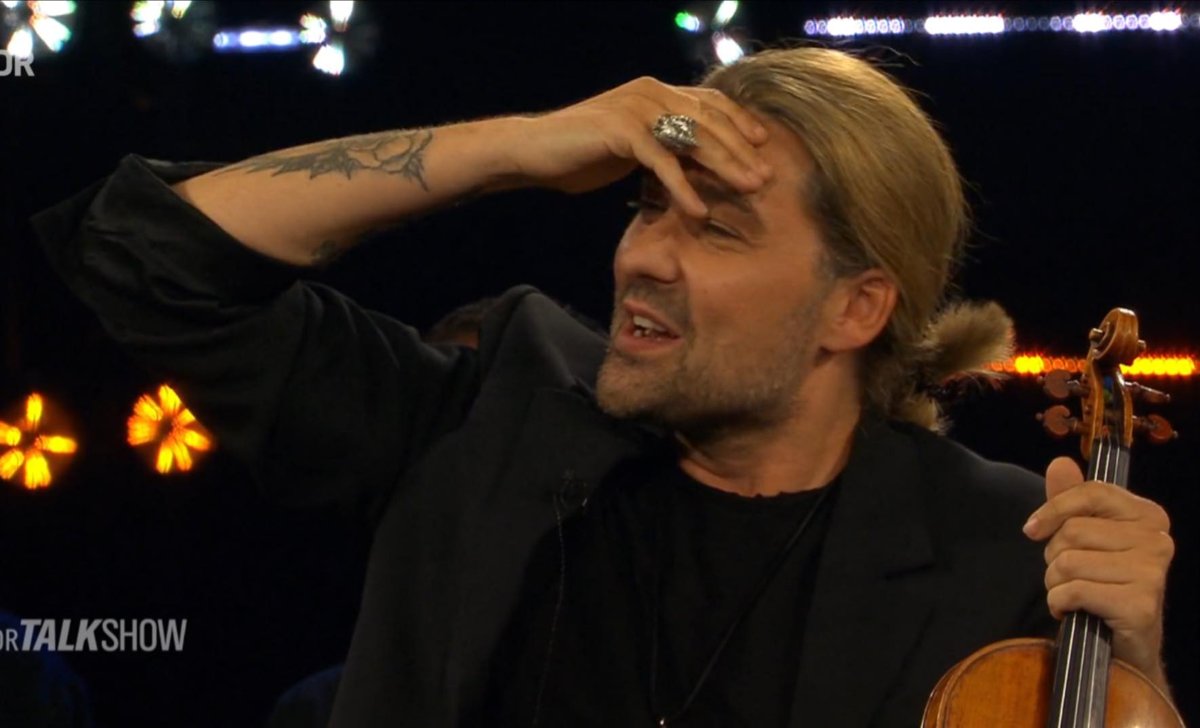
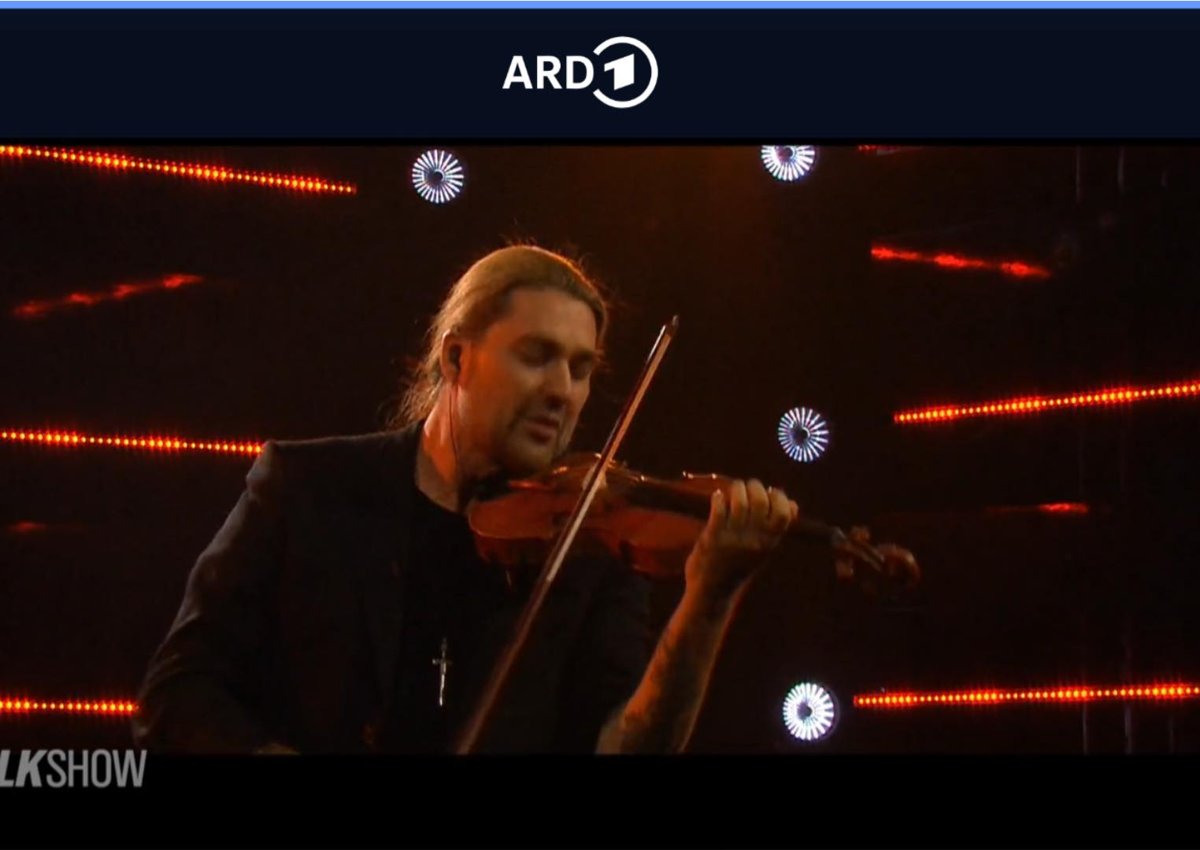
On Friday evening the NDR Talk Show returned to Hamburg with a full, lively sofa — the judge and novelist Elisa Hoven, the miniature artist Katharina Raab, the entertainer Wolfgang Lippert, the strawberry-farm Dahls — and, among them, David Garrett, mid-stride on his Millennium Symphony Tour. Bettina Tietjen and Hubertus Meyer-Burckhardt hosted. He began not in his seat but at the stage, opening the night with Avicii’s Wake Me Up.
I. The lavender in the violin case
Later, when the talk turned to superstition, the man who has filled arenas from Hong Kong to Mexico answered with something disarmingly small: his mother slips a sprig of lavender into his violin case, to wish him luck. Picture it — on stages where thousands wait in the dark, a mother’s blessing tucked where no spotlight reaches.
II. The happiest man
The rest of his segment circled the same warmth. He had just come back from New York — his second home since his Juilliard years, the city where he studied with Itzhak Perlman. The hosts showed a photo of him towering over Times Square on a giant video wall. The story behind it: last year he flew his American mother in for the opening night of his US tour. Someone told him there was an ad at Times Square; he expected “some little LED thing.” Instead he stood beside his mother in front of something enormous — and she just kept saying, make a photo, make a video, jumping around with delight.
“It was totally surreal,” he said. “I’ve been able to experience a lot in life, but that was a moment that stays.” Even the cosy detail the hosts teased him about — the slippers he’d posted, the spotless floor (he takes street shoes off at the door) — turned out to be a Christmas gift from his mother.
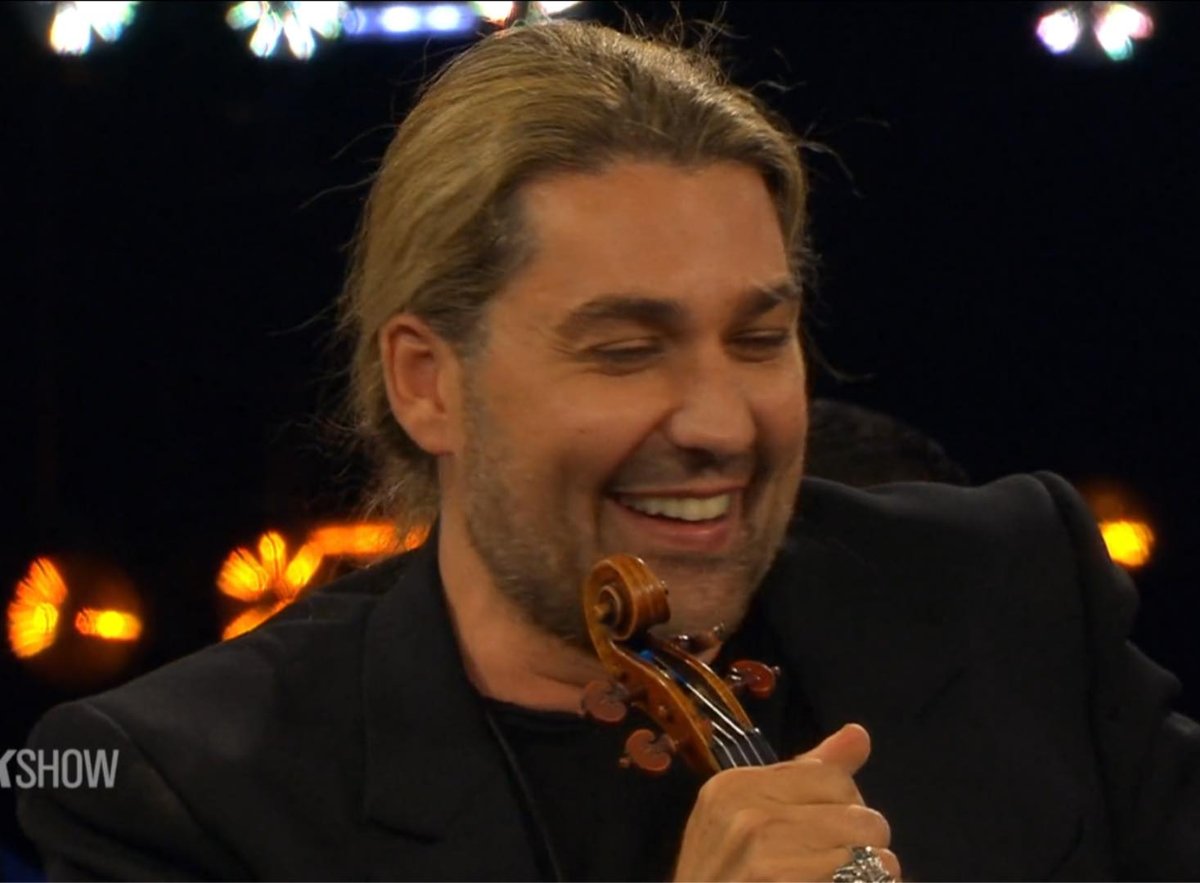
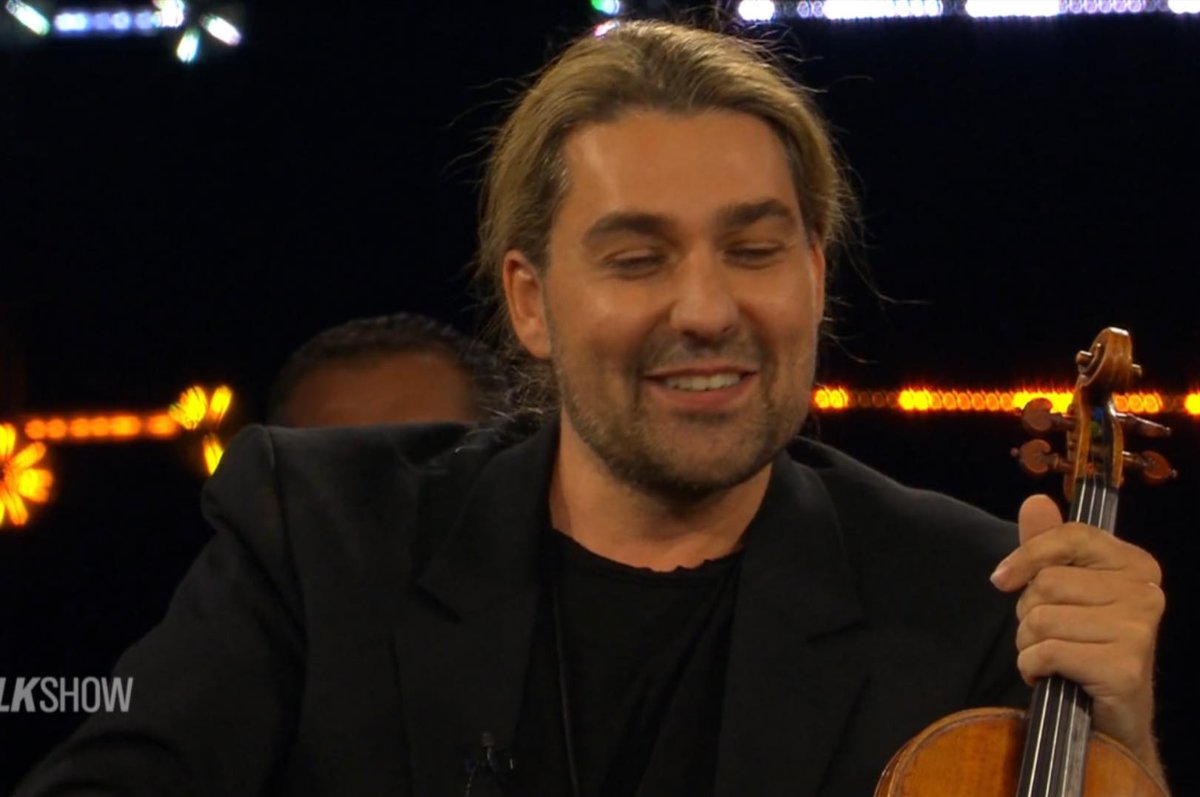
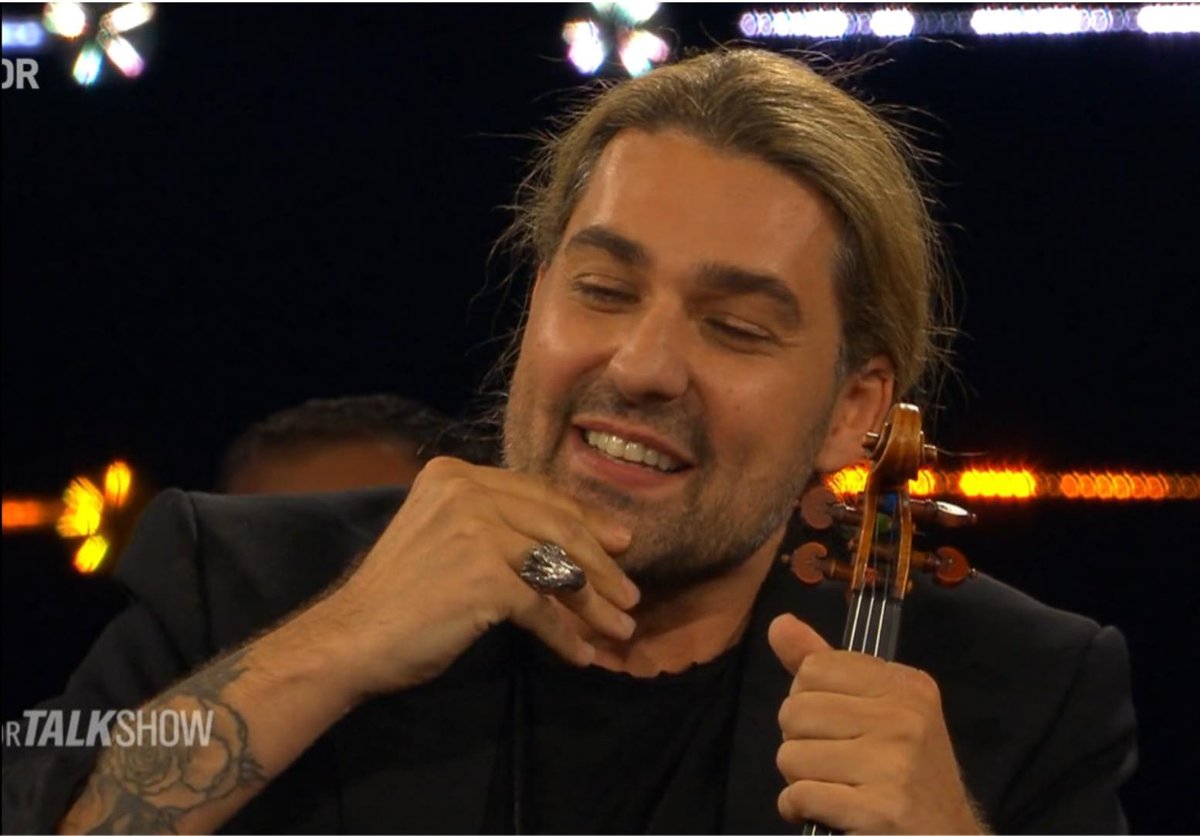
Then came the violins. He had brought the Guarneri del Gesù specially for the evening; on open-air nights he always carries a second instrument in case of rain, because “it’s a piece of history I keep in good condition for the next generations.” He spoke of the roughly five to six hundred surviving Stradivaris and the mere hundred and fifty Guarneris, of the little-ice-age wood and the magic of Cremona that no one has ever fully explained.
And then the moment that quieted the room. Asked, half-joking, whether he sends warm Christmas greetings to collectors hoping to be gifted an instrument, he refused the bit entirely. The most important thing in life, he said, is to know when you are well off — and he has everything he ever dreamed of, or never even dared dream. So many beautiful things, so many great moments, even the privilege of playing such an instrument. He is, he said, fully aware of how lucky he is, and he celebrates it every single day. No greetings to any museum, then —
Read the full conversation →
Host: You noticed — David Garrett left his seat and crossed to the stage. He really needs no introduction. For decades he has made millions of people happy with his music. Violin and crossover, in two words. Here he is now in the NDR Talk Show — with Avicii’s mega-hit “Wake Me Up.”
Host: If you want to see more of this new programme: Millennium is the open-air tour. It starts in June — 14 concerts in Germany, big open airs, big stage, big orchestra, band included. “Millennium Symphony” — the best songs of the last 20 years, something for everyone. As always with you, David: always big.
Host: You’ve just come back from New York, your second home. How long were you there this time?
David Garrett: I had a bit of time for myself, almost two weeks. I enjoyed my apartment again, took my car out of the garage — I love exploring the city not just on foot but by car. Over the Brooklyn Bridge to Dumbo, park for a bit, walk, discover new areas. It’s an inspiration place for me, ever since college, at Juilliard. I’m still a big fan of this city.
Host: How many weeks a year do you actually manage to be there?
David Garrett: I’d say seven, eight, nine weeks. About two months a year, at least.
Host: We have such lovely pictures of you at Times Square, on that huge video wall. And your mother is there too —
David Garrett: That’s my mom down there, yes. Last year, with the programme we’re now playing here as open airs, we did a US tour. My mother said: if you play in New York, I absolutely have to come — she’s American. So I flew her in, she stayed with me a few days; it was the opening concert of the tour. Then someone told me there was an ad at Times Square. I thought it would be some little LED thing up there. And then I stood there with my mother, and it was really enormous. My mother just kept saying: take a photo, take a video — jumping around. We put it on Instagram, of course. It was great.
Host: It’s sweet that she can still be so delighted.
David Garrett: Honestly, it moves me a lot too. It was totally surreal. I’ve been able to experience a lot, but that is a moment that stays.
Host: A moment that stays for me is the photo of your slippers you posted recently — the relaxed David at home, the clean floor.
David Garrett: I don’t like street shoes in the apartment; I take them off right at the door. I care a lot about that. And that’s why you need proper slippers. They were a Christmas gift from my mom.
Host: Do visitors have to take off their street shoes too? Our hygiene expert will love this. Do they walk in socks, or do you give them slippers?
David Garrett: I have enough slippers at home — not for 50 people, but for a few it’s enough. (We’ll get into the hygiene theme later with Shiwa.)
Host: You travel all over the world. Is there an audience you especially treasure?
David Garrett: No favourite, but different approaches. The extreme example of the greatest euphoria, even before the first note, is South America — you don’t have to play a note and you’re already celebrated, people stand up in a ten-thousand-seat hall. Honestly unearned, but I’ll happily take it. Europe is mid-field — they want to be offered something first, which I understand; I’m the same as a listener. And at the other end is Asia, culturally more reserved; as an artist you almost wonder whether they like it. In the early years I’d often think, am I not playing well today? But at the end they go wild — then I know it worked.
Host: Are you more nervous in New York or in Hubertus’s hometown Kassel, where your open-air tour begins?
David Garrett: I think New York, because it’s a bit of home, the city where I worked with Perlman and learned composition. But Kassel — a world city — very gladly too.
Host: In Kassel you play on the Friedrichsplatz, and it occasionally rains. Can a violin of that value withstand water? We’re talking Stradivari, Guarneri.
David Garrett: The violin I have with me today — specially for this round — is the Guarneri del Gesù. I would never take it out in the rain, for God’s sake. I always carry two instruments in case the weather looks wet. You can’t take the risk; it’s a piece of history I keep in good condition for the next generations. If it looks cloudy, there’s always a very good second violin.
Host: At a TV recording, water once ran over a Stradivari of yours; in London you fell on a violin. How many people can even repair such instruments?
David Garrett: London was my fault. There are probably four or five dealers worldwide who deal with these instruments at all and have top restorers — Charles Beare in London, Peter Biddulph. Water itself doesn’t harm the instrument much if you dry it quickly. A violin from 1718 was, by my research, worth about 10 million — the San Lorenzo, which I got to play for many years as a child, is now probably 15 or 16. I don’t set the prices; luckily I get to have it on loan.
Host: How many violins of this kind still exist?
David Garrett: For Stradivari you can say fairly exactly — between 500 and 600. He had a long life, died at 93, almost Methuselah age for the time. There are about 150 Guarneris; he only built violins, no cellos, no violas, and died much younger, at just 46.
Host: Can you tell, without playing, just visually, whether it’s a Guarneri or a Stradivari?
David Garrett: Very easily, yes. These two makers built the most contrasting models in the same city, in the same era. A Guarneri has something almost rudimentary — much longer f-holes, a more striking face. A Stradivari is lovelier, perhaps more feminine. These two models are still copied by violin makers today; no model since has ever reached that zenith of tone and craftsmanship.
Host: You once said, poetically, that one should plant a violin-making forest, protected with a climate box, to recreate the wood the famous families had.
David Garrett: There’s a theory: a colder period, the Little Ice Age between the 15th and 16th centuries, slowed the growth of the trees, so the rings sit closer together — they say the wood is therefore tonally better. But you can’t build a forest and put a great dome around it. It’s one of many theories about Cremona and the 18th century; to this day we don’t fully understand why the sound is so intense and rich in colour — why there’s a kind of magic around it.
Host: Does a violin that isn’t played get worse? Many lie in the vaults of collectors and museums.
David Garrett: No. I’m a fan of both sides. There must be instruments that are played, so an audience hears them and it enriches the music. And there must be instruments in museums and collections — otherwise we wouldn’t have well-preserved instruments for young people today. Beyond my generation too, there must be people who keep them safe.
Host: Last question: is there a collector or museum director you send especially warm Christmas greetings to — hoping for a gifted instrument?
David Garrett: I think the most important thing in life is to know when you are well off. And I have everything in my life I dreamed of, or never even dared to dream. So many beautiful things, so many great moments — and being able to play such an instrument at all. I’m aware of what a lucky man I am, and I celebrate and love it every day. So no greetings to any museum, because — I am fucking happy. Sorry.
Host: Here’s what I take away: you begin your great tour in Kassel — a very good decision. Thanks to your slippers you have a spotlessly clean apartment. And you are the happiest man. My mother always says: being happy is a decision. That’s a pretty good saying. David Garrett, ladies and gentlemen!
Hubertus drew the evening to a close, and David gave it its last line. “My mother always says: being happy is a decision.” And there the two moments meet — a mother’s blessing hidden in the violin case, and a mother’s words carried out onto the stage. The lavender and the happiest man. Both, in the end, are her.
— The Strings Society Editorial Team